

When Things Start To Bloom
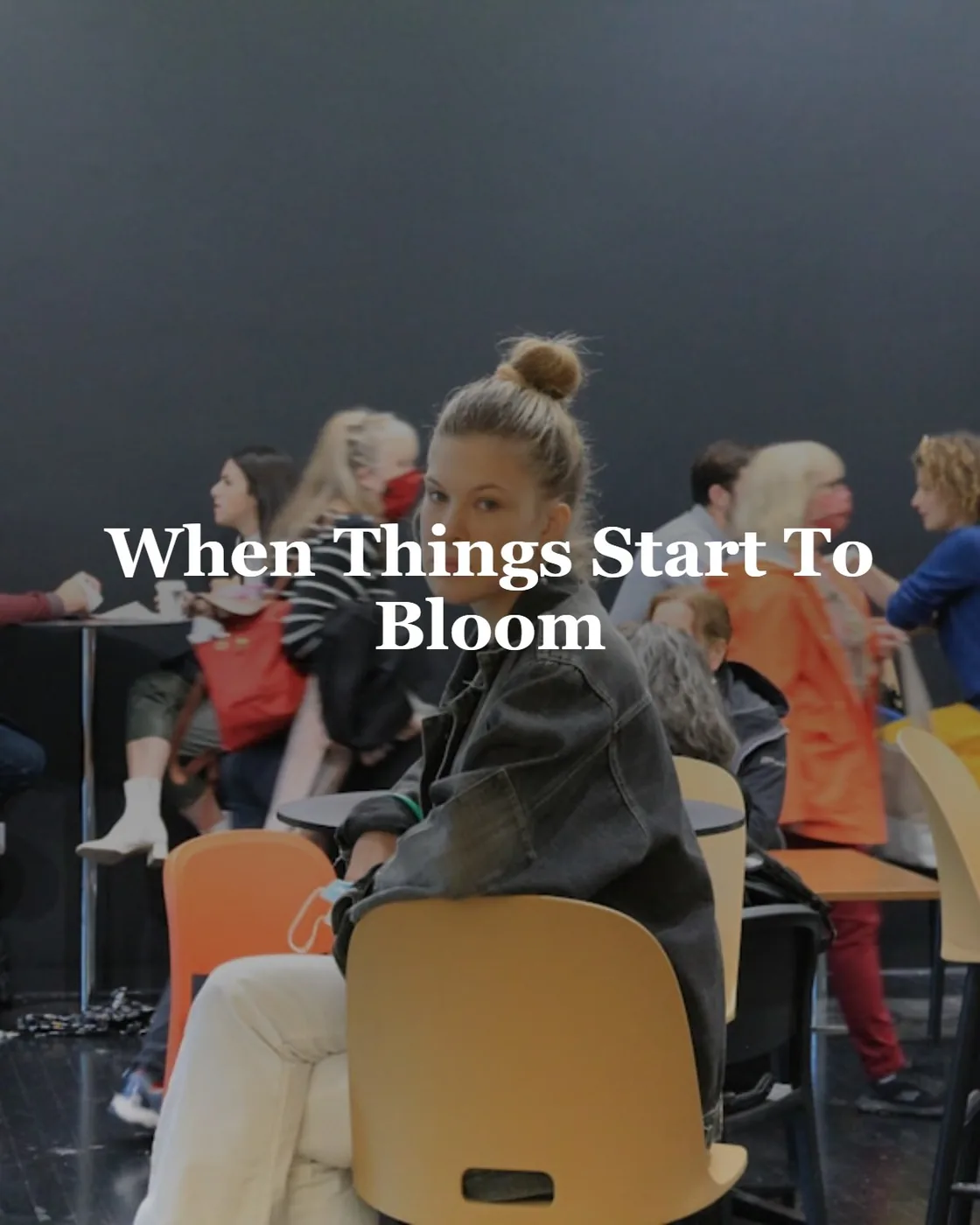
Listen to When Things Start To Bloom
Checking audio availability…
I didn’t notice I was fading out at first.
It didn’t happen in a dramatic way, like in films where someone suddenly becomes invisible. It was slower than that. More polite. People still spoke to me, just less often. Conversations still happened around me, just not always with me in them. I was there, but increasingly in the background of everything.
At school, things kept moving forward without me needing to be part of them. Tables got rearranged. Friend groups shifted. Inside jokes changed. At some point, I stopped being included in plans and started being informed about them after they happened. No one meant it cruelly. That was almost the worst part. It felt normal to everyone except me.
I told myself I was overthinking it. That people drift at this age. That nothing stays fixed. But there’s a difference between drifting and being quietly replaced in the shape of your own life. And I could feel that difference every day, even if I couldn’t explain it properly.
It became clearer in English class.
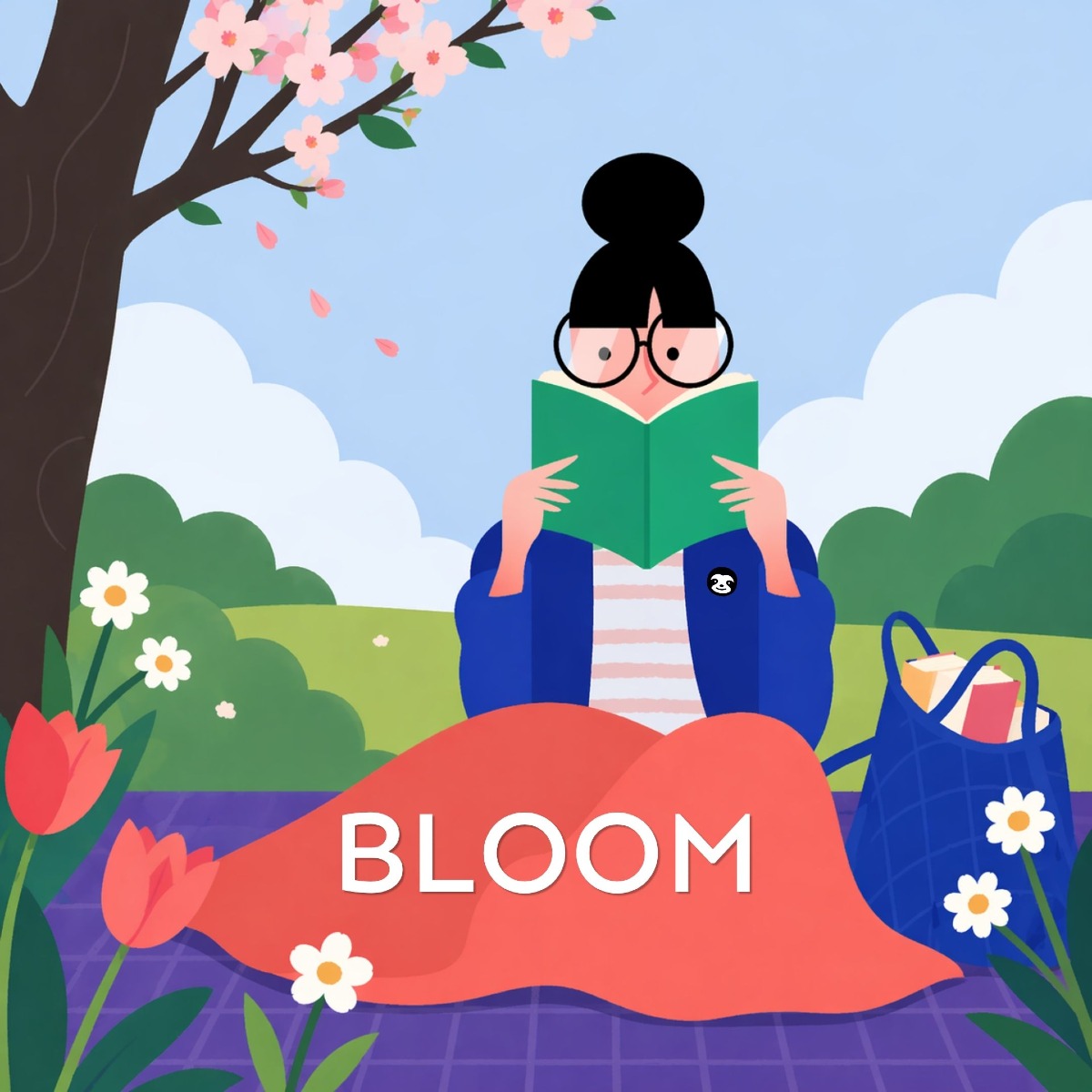
Miss Harlow wrote one word on the board: Bloom.
She told us it was the theme for our writing. “Bloom can mean many things,” she said. “Growth, change, becoming something new. Sometimes it’s visible. Sometimes it happens quietly where no one notices.”
Everyone started writing straight away.
I didn’t.
I just stared at the word for a long time. It looked simple, but it didn’t feel simple. It felt like something was happening in it that I didn’t fully understand yet.
The changes around me stayed small, but constant.
People stopped saving me a seat without thinking about it first. Group chats became quieter for me specifically, even when they were active for everyone else. My name stopped coming up in conversations where it used to belong naturally. Even teachers started skipping over me more often, not because they disliked me, but because I was no longer the first person they reached for.
There was no single moment I could point to and say, this is where it started. That was the strange part. It didn’t begin. It just continued until I noticed it had already been happening for a while.
One afternoon after class, I stayed behind while Miss Harlow was packing up her desk.
“Do you think people can change without realising it?” I asked her.
She paused for a moment, then looked up. “Yes,” she said. “Most of the time, that’s how it happens.”
I nodded, but it didn’t fully answer what I meant.
So I added, “Even if they don’t want to?”
That made her stop what she was doing.
She sat down properly this time and said, “People don’t always choose how they grow. They just respond to what’s around them. Over time, that response becomes their shape.”
I didn’t like how accurate that felt.
The shift became obvious a few days later.
I was standing near the lockers when I heard my name being said behind me. I turned, expecting to be part of the conversation, but no one looked at me. They were talking about me, not to me, in the same casual tone people use for things that have already been decided.
That was when I realised it wasn’t that I was being pushed away.
It was that I had already stopped being central to the place I was still standing in.
I just hadn’t noticed the exact moment it happened.
That evening, I asked Miss Harlow if I still mattered in the classroom the same way I used to.
She didn’t answer quickly. Instead, she looked at me for a long time, like she was deciding how honest she could afford to be.
“You’re still here,” she said finally.
But I could tell that wasn’t the same as what I was asking.
So she added, “Sometimes people are present, but no longer part of the structure they think they belong to. That doesn’t make them less real. It just means they’ve started to grow in a different direction.”
I understood what she meant, even if I didn’t like it.
After that, I stopped trying to fix it.
I stopped forcing my way into conversations that didn’t naturally include me. I stopped waiting for invitations that didn’t arrive. I stopped trying to remind people of who I used to be.
At first, it felt like disappearing.
Then it felt like silence.
And then, strangely, it felt like relief. Like I wasn’t constantly trying to fit into something that no longer had space for me.
On the last day of term, Miss Harlow handed back our essays.
Mine had one word written at the bottom in her handwriting.
Bloom.
I looked up at her, confused at first.
She said quietly, “You stopped trying to be what you were before.”
I didn’t answer straight away.
Because I wasn’t sure if that was something good or something sad.
Then she added, “That’s what growth looks like when it’s real. It doesn’t always feel like improvement. Sometimes it just feels like change you can’t reverse.”
When I left school that day, nothing dramatic happened.
No final moment. No sudden recognition. No closure that tied everything together neatly.
Just the sound of doors behind me and people continuing their day as usual.
But as I walked out, I realised something that stayed with me.
Bloom isn’t always visible.
Sometimes it doesn’t look like becoming something new.
Sometimes it just looks like finally noticing you were already changing all along.
Story complete!
Enjoyed this story? Sign up to like it, save it, and support the author.


Discussion